Table of Contents
Key Trade-offs: Cost, Availability, Complexity
Multi-cloud can be a competitive advantage—or an operational liability. For CEOs weighing the decision, the question is simple: does the availability, regulatory, or performance benefit outweigh the added operational cost and complexity? Sahi's assessments quantify this trade-off to put a clear ROI on the table.
Cost Analysis & Operational Overhead
Multi-cloud typically increases tool complexity, monitoring surface, and staffing needs. We analyze total cost of ownership—not just sticker price—and identify workloads that are high-value for multi-cloud placement (e.g., regional compliance, vendor risk, latency-sensitive services).
Availability & Resilience Benefits
Multi-cloud reduces single-provider outage blast radius and can improve global latency. Sahi focuses on selective multi-cloud patterns and automated failover tests to deliver resilience without a full duplication of effort.
Governance & Team Readiness
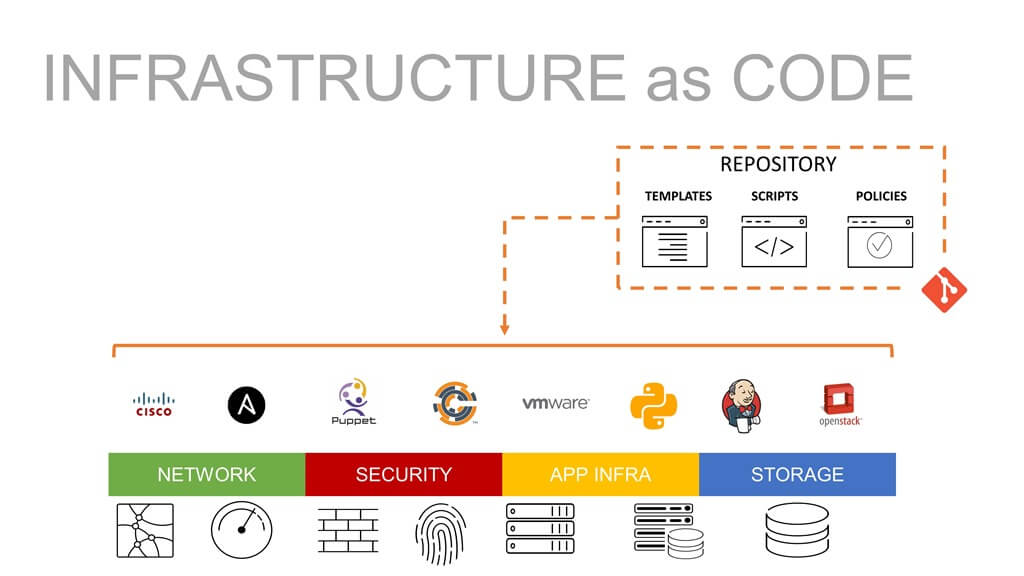
Portability is achieved through portable IaC patterns, shared platform services, and centralized observability. We help teams build common guardrails so multi-cloud doesn't multiply toil across teams.
Decision Framework — A Practical Approach
- Run a 30–60 day assessment identifying cost, compliance, and latency needs
- Prototype multi-cloud for one strategic service with automated failover
- Scale only if results show net benefit in availability, performance, or strategic differentiation
✅ Case Example
We ran a focused multi-cloud proof-of-concept with a fintech client that reduced geo-failure exposure by 80% while adding only 12% to operational overhead—within their acceptable ROI.
The multi-cloud question deserves a thoughtful, data-driven answer. Sahi runs a focused 4-6 week assessment that quantifies the ROI, operational overhead, and strategic fit of multi-cloud for your business. We’ll show you exactly what you’d gain (or lose) before you commit. Start Your Assessment →